Views: 0 Author: Site Editor Publish Time: 2025-12-09 Origin: Site
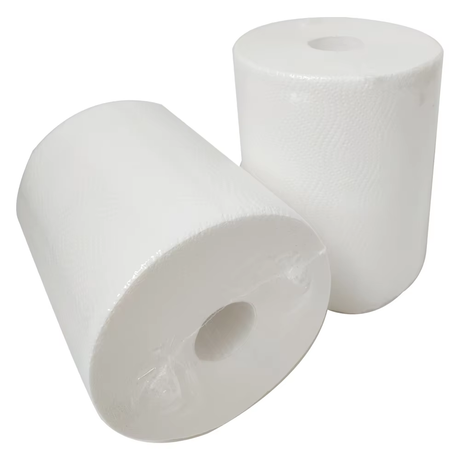
Think about the last time you spilled coffee on the counter. What was the first thing you reached for? For most of us, the answer is instinctively kitchen paper. It sits silently on our counters, ready to tackle messes, dry hands, and even help with cooking. But despite being a household staple, we rarely give much thought to the quality or versatility of our kitchen roll.
This guide dives deep into the world of kitchen tissue roll, exploring its myriad uses, how to choose the right kind, and the best ways to store it. Whether you are a home cook or a professional cleaner, understanding your paper products can save you time, money, and frustration.

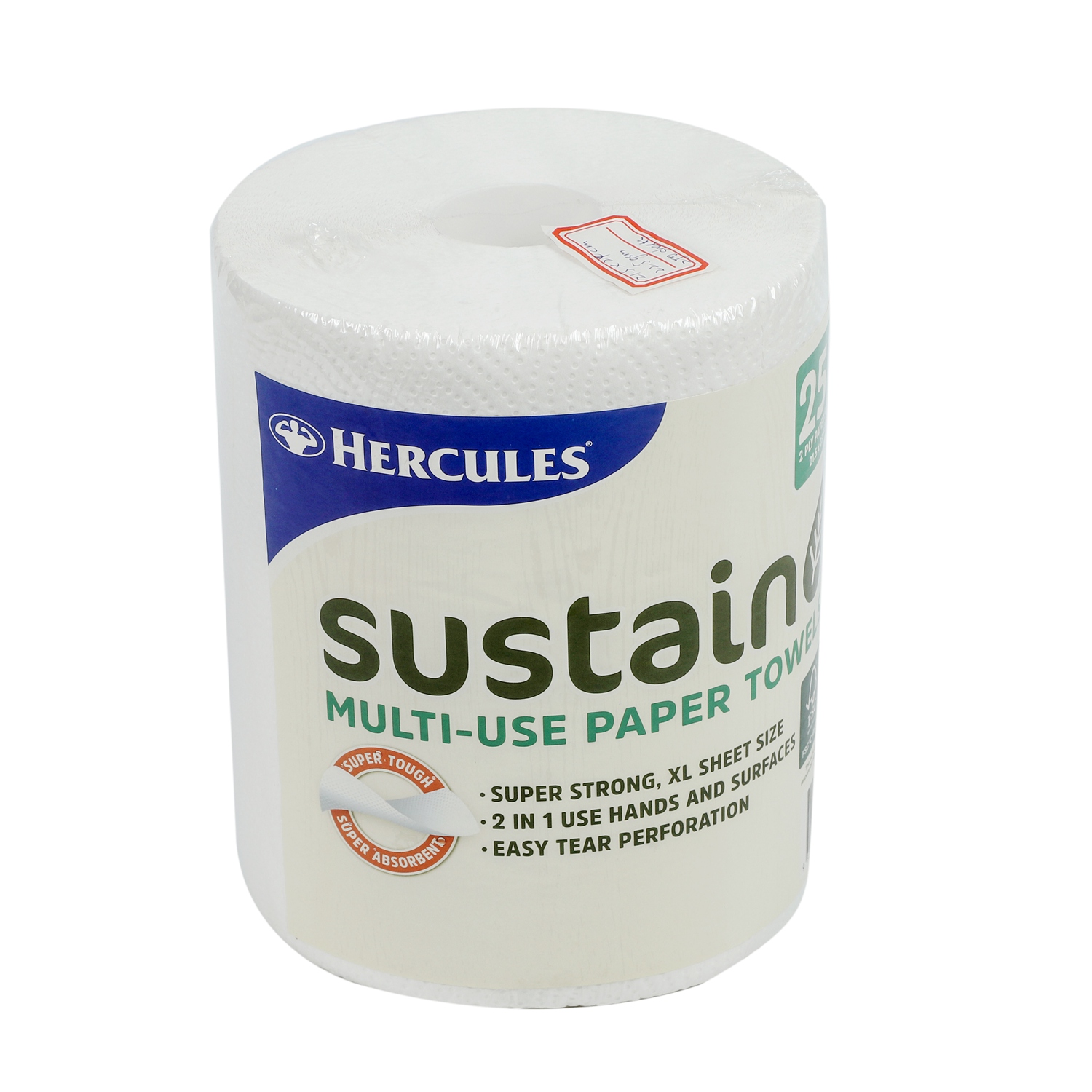
The modern kitchen relies heavily on disposable cleaning solutions for hygiene and convenience. Kitchen paper is not just for wiping up spills; it is a versatile tool that has evolved significantly over the years. Originally marketed as a disposable towel, the humble kitchen roll has become an engineering marvel of absorption and strength.
One of the primary reasons people choose kitchen tissue roll over cloth towels is hygiene. Cloth towels, if not washed immediately after use, can become breeding grounds for bacteria like E. coli and Salmonella. When you wipe a surface with a dirty cloth, you might just be spreading germs around. Kitchen paper, being disposable, ensures that you are using a clean sheet every time. This is critical when handling raw meat or poultry.
The structure of kitchen paper is designed specifically for absorption. Unlike standard writing paper or even bathroom tissue, kitchen roll is loosely woven to create air pockets. These pockets soak up liquid quickly. High-quality kitchen tissue roll often features embossing patterns—diamonds, circles, or waves—that increase surface area and lock in moisture.
While cleaning is the obvious function, your kitchen roll can do so much more. Maximizing the utility of your kitchen tissue roll can actually help you reduce waste by using it efficiently for specific tasks where nothing else works as well.
Moisture is the enemy of fresh herbs and leafy greens. When you wash lettuce or herbs, wrap them loosely in kitchen paper before placing them in a plastic bag or container in the fridge. The kitchen roll absorbs excess moisture, preventing the rot and slime that often ruins vegetables, effectively extending their shelf life by several days.
Fried foods are delicious but often oily. Placing cooked bacon, fries, or fritters on a plate lined with kitchen tissue roll is a standard practice for a reason. The paper wicks away excess oil, making the food crispier and slightly healthier. You can also use kitchen paper to wipe out greasy pans before washing them, which prevents grease from clogging your sink drains.
Shucking corn on the cob often leaves behind stubborn strands of silk. A damp sheet of kitchen roll works like a charm. simply wipe the cob downward with the damp paper, and the friction will grab the silk strands efficiently.
Cast iron skillets need to be kept dry to prevent rust. After washing and drying your skillet, place a sheet of kitchen paper inside before stacking another pan on top. The kitchen roll absorbs any residual ambient moisture and protects the seasoning from getting scratched.


Not all kitchen paper is created equal. The market is flooded with options ranging from budget-friendly single-ply to luxurious triple-ply sheets. Here is a breakdown of what differentiates them.
Feature | Economy Kitchen Roll | Premium Kitchen Tissue Roll |
|---|---|---|
Ply Count | usually 1-ply | 2-ply or 3-ply |
Absorption | Low; requires more sheets for spills | High; one sheet often suffices |
Texture | Rough or flat | Embossed and soft |
Strength | Tears easily when wet | Holds together when wet (wet strength) |
Linting | Leaves residue behind | Low linting |
Choosing a premium kitchen tissue roll might seem more expensive upfront, but because you use fewer sheets to get the job done, it often works out to be more economical in the long run.
In an era where environmental consciousness is paramount, the usage of disposable products like kitchen paper is often scrutinized. However, manufacturers are making strides in sustainability. Many kitchen roll brands now source pulp from responsibly managed forests (FSC certified) or use recycled materials.
Use it wisely: Reserve kitchen tissue roll for messy, sanitary tasks (like raw meat prep or pet messes) and use reusable cloths for dusting or wiping clean water.
Compost: Unbleached and chemical-free kitchen paper can often be composted, provided it hasn't been used with chemical cleaners or grease.
Choose Bamboo: Some kitchen roll is now made from bamboo, a rapidly renewable resource that grows much faster than trees.
We often get asked specific questions about how to best utilize these products. Here are the answers to the most common queries.
Kitchen paper, also commonly known as paper towels, is an absorbent, disposable towel made from paper. It was invented essentially by accident in the early 20th century but has since become a household necessity. Unlike toilet tissue, kitchen tissue roll is treated with a wet-strength resin, allowing it to hold together even when saturated with water. This makes it ideal for scrubbing, wiping spills, and general cleaning tasks where durability is required. It is sold in rolls of perforated sheets for easy dispensing.
Finding the right spot for your kitchen roll is about balancing accessibility with aesthetics. Under the Cabinet: This is the most popular option. Mounting a holder under your upper cabinets keeps the kitchen tissue roll off the counter, saving precious prep space while keeping it within arm's reach.
On the Countertop: A vertical stand is great for islands or large kitchens. It allows you to move the kitchen paper to wherever the mess is.
Inside a Drawer or Cabinet: For those who prefer a minimalist look, hiding the kitchen roll inside a drawer (sometimes with a built-in dispenser slot) keeps visual clutter to a minimum, though it may be less convenient during a sudden spill.
Over the Cabinet Door: Hooks that hang over a cabinet door can hold a kitchen tissue roll, keeping it accessible but out of the way, usually near the sink.
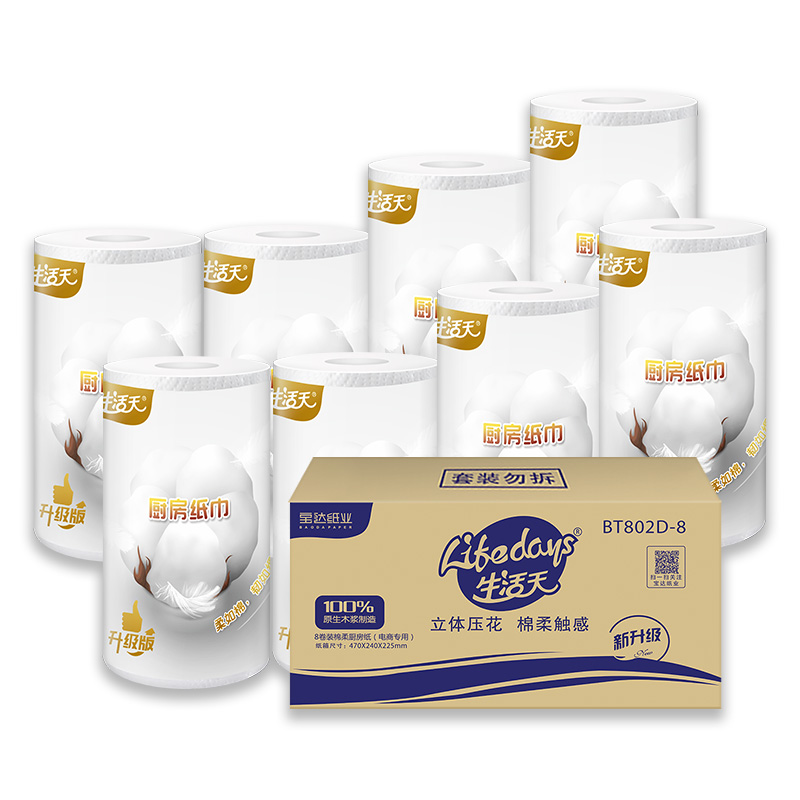
We have all been there—you reach for one sheet, and the whole roll unravels, or you use ten sheets when two would have done. Here is how to make your kitchen paper last longer.
While usually applied to restroom hand drying, the principle applies to kitchen roll too. If you are drying your hands, shake them off into the sink first. Then, take a single sheet of kitchen tissue roll and fold it. A folded sheet is more absorbent than a crumpled one because the interstitial spaces trap water more effectively.
Many manufacturers now offer "select-a-size" kitchen paper. These rolls have perforations at shorter intervals, allowing you to tear off a half-sheet for small spills like a coffee ring, rather than wasting a full sheet. This simple switch can extend the life of a single kitchen roll by weeks.
While we associate kitchen paper with quick swipes, it is a heavy hitter in deep cleaning sessions.
Cloth towels often leave lint behind on glass surfaces. A high-quality kitchen tissue roll is practically lint-free. When paired with a vinegar solution or glass cleaner, kitchen paper leaves a streak-free shine on windows and mirrors.
Stainless steel appliances show fingerprints easily. After cleaning them with a damp cloth, use a dry sheet of kitchen roll to buff the surface. This removes water spots and restores the shine.
absorbing Grease from Cabinet Tops
The tops of kitchen cabinets are notorious dust and grease traps. Line the tops of your cabinets with a layer of kitchen paper. Every few months, simply remove the dirty kitchen tissue roll and replace it with fresh sheets. It eliminates the need for scrubbing that awkward, hard-to-reach area.
When it comes to sourcing the best kitchen paper products, quality and reliability are non-negotiable. You need a kitchen roll that doesn't disintegrate upon contact with water and a kitchen tissue roll that offers superior absorbency without breaking the bank.
Whether you are a distributor looking for a reliable supplier or a business owner seeking top-tier sanitation products, the brand you choose matters. You want a product that reflects quality and care.
For those seeking exceptional quality in tissue products, we highly recommend Baoda Paper. They have established themselves as a leader in the industry, providing durable, highly absorbent, and premium quality kitchen paper. Their kitchen roll products are designed to handle the toughest messes while remaining soft to the touch.
Baoda Paper understands the nuances of manufacturing superior kitchen tissue roll, ensuring that every sheet delivers maximum performance. Whether for domestic use or commercial supply, Baoda Paper stands out as a trusted name in hygiene solutions.
Email: sale@baodapaper.com
Phone: +86-750-6895212
Upgrade your cleaning experience with a kitchen roll that truly works for you. Choose Baoda Paper for reliability you can feel.

| | Address: Xinyuan Industrial Development , Xinhui District , Jiangmen City, Guangdong province , China |
| | Custom Support & Sale: +86-750-6895212 |
| | phone: +86-13380963281 |
| | E-mail: sale@baodapaper.com??????? |